.avif)
.avif)
RETENTION
Gym Recovery Room or Another Coach: How to Decide
6 min read

Your referral incentive isn't broken. Your members just don't have a story to tell yet.


Most gyms with a referral program offer a discounted month or a free week. Most of those programs produce almost nothing. Not because members don't want to help – 84% of people trust a friend's recommendation over any ad, and most people are happy to refer something that genuinely changed them. The problem isn't the incentive. It's that your members don't have a story to tell yet.
A referral conversation goes one of two ways. "You should check out my gym, they have a deal on right now." Or: "I've added 15kg to my deadlift in four months. You need to see what their app tracks." One of those gets a shrug. The other gets a sign-up. The difference isn't the reward. It's the result.
Ask a gym owner why their referral program isn't working and you'll hear: "The incentive isn't big enough." "Members forget to share." "We need to promote it more." Those aren't reasons. They're excuses that sound like reasons. The real answer is simpler and harder: a member who can't point to something specific that happened to them (a number, a change, a moment) has nothing to offer a friend except a discount code. And discount codes are everywhere.
What a referral actually requires is confidence. Confidence that what happened to you will happen to your friend. That kind of confidence comes from visible, specific proof, not from a good experience that's hard to put into words. Most gyms give members a decent facility and leave them to figure out the rest. That's not enough to create advocates. It creates members who stay until something better comes along.
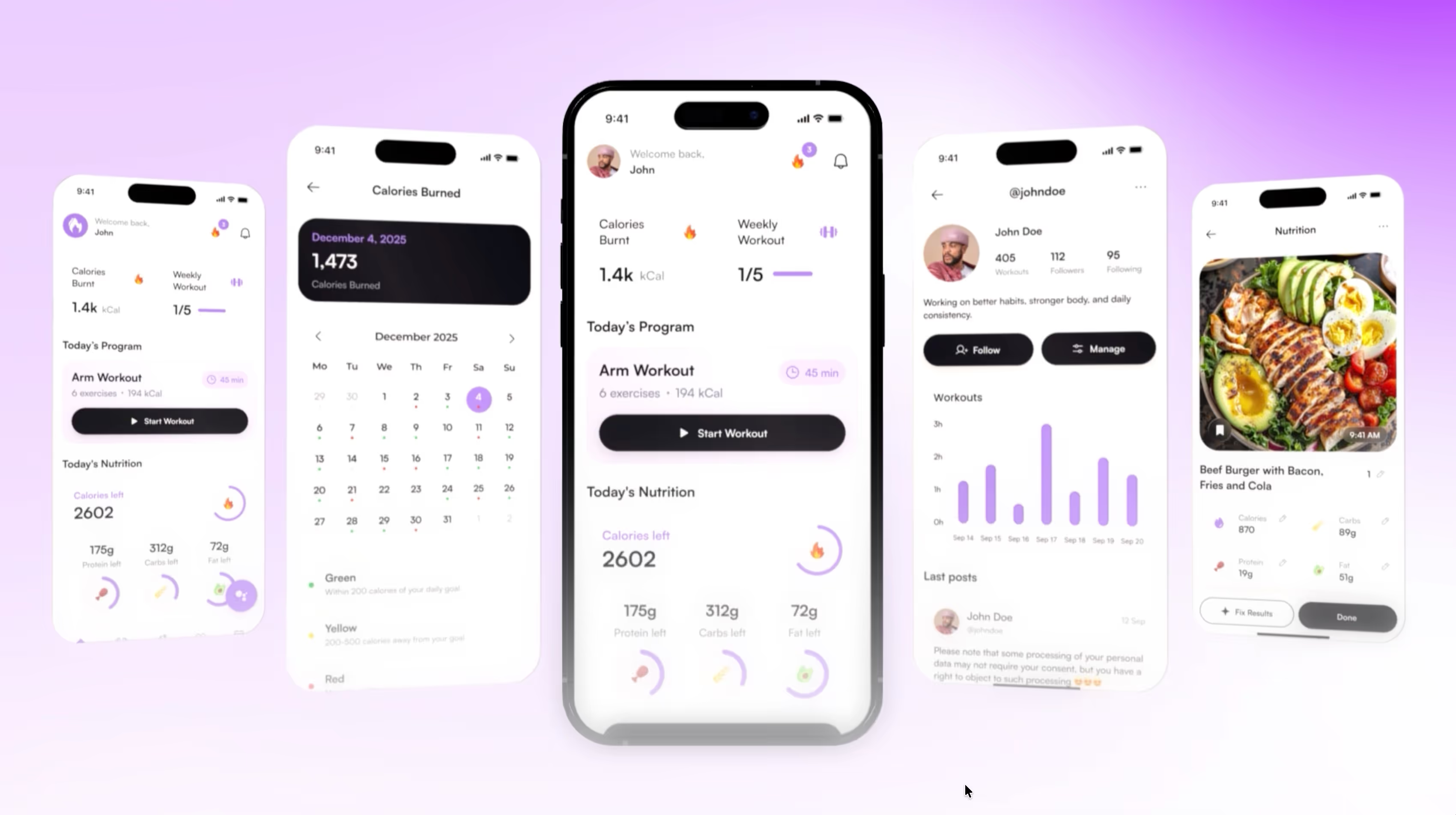
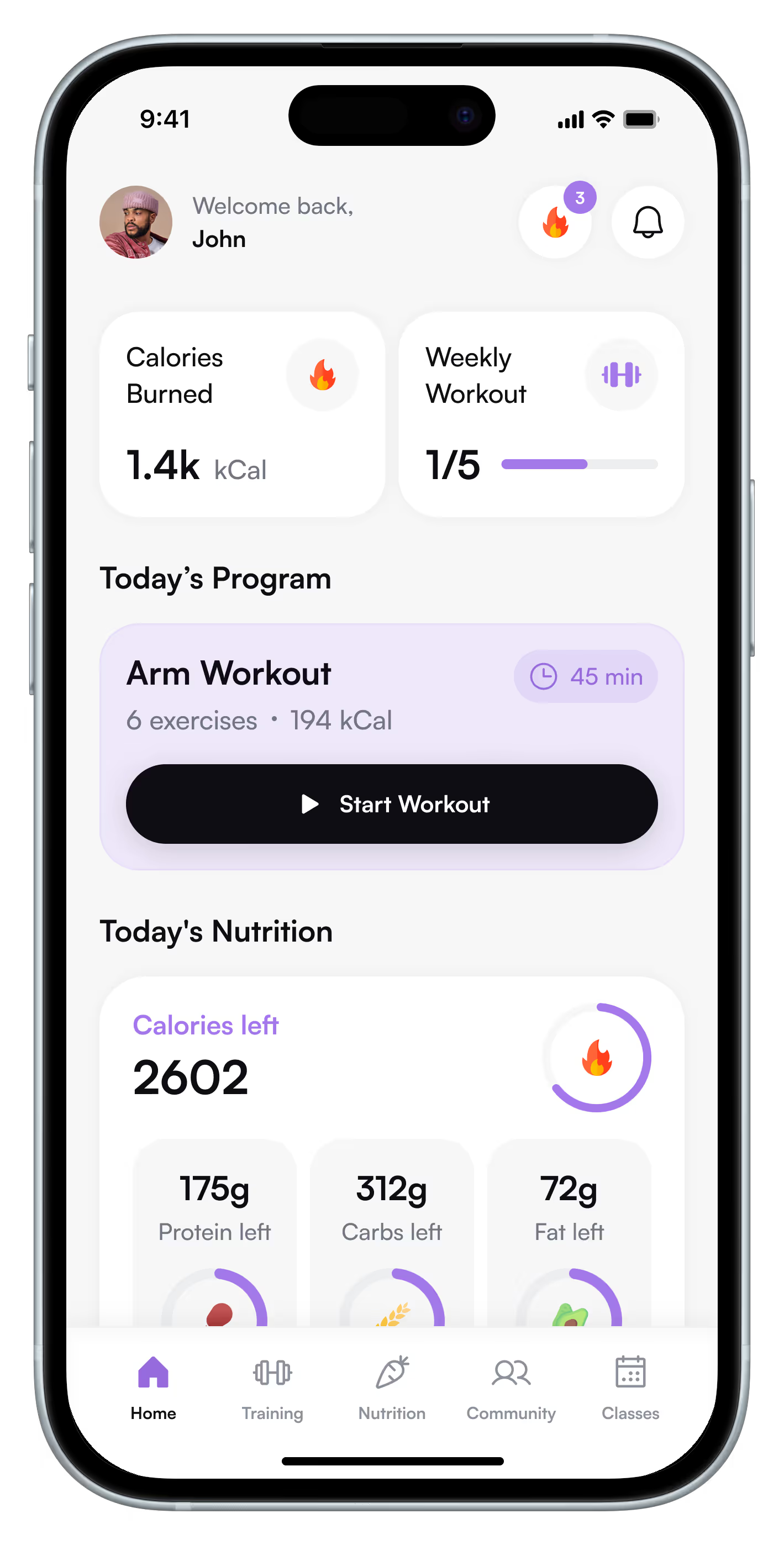
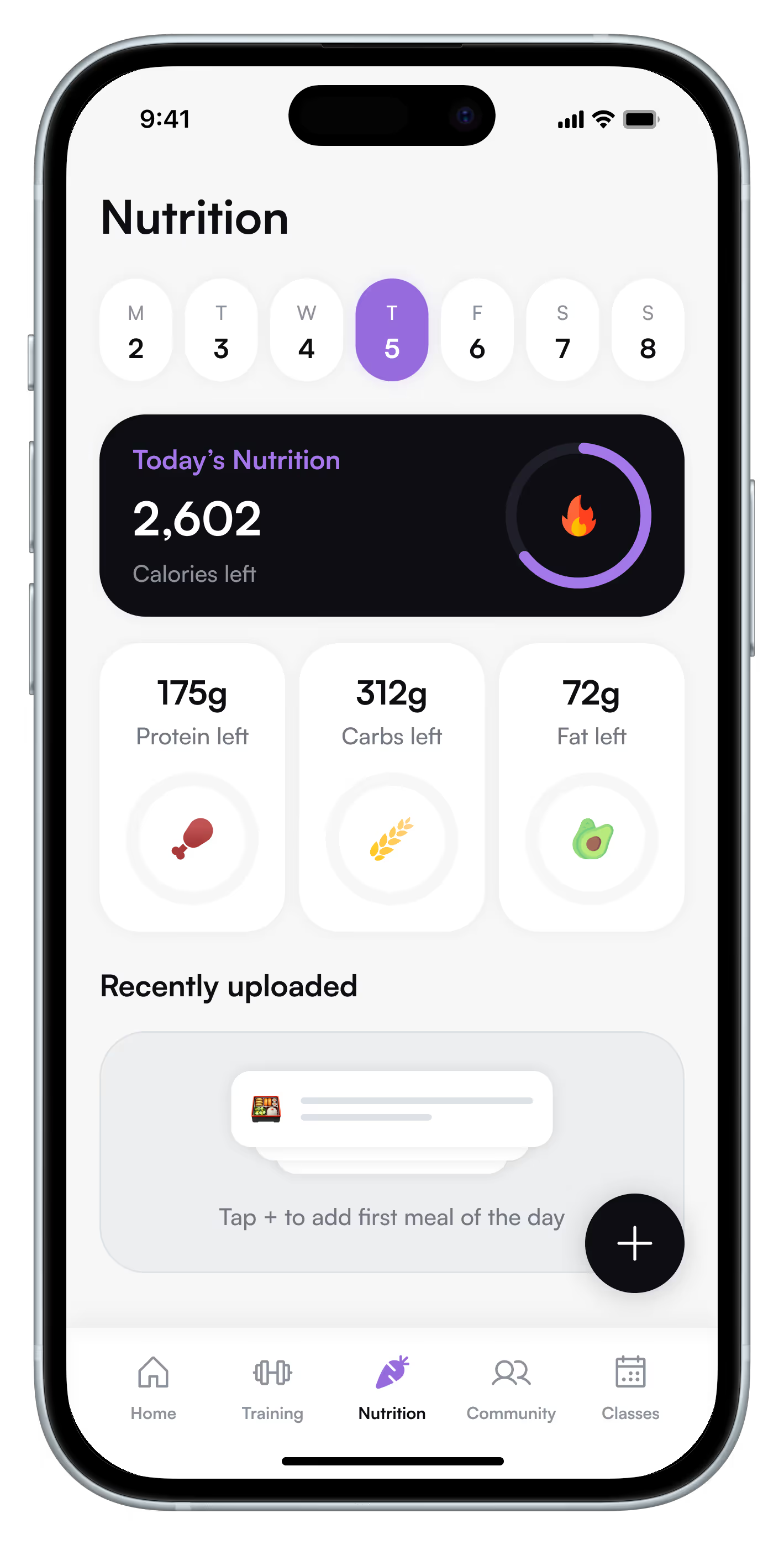
Most referral advice is about mechanics. Code design, how many clicks to share, when to ask. That's the last 10%. The first 90% happens before any prompt exists. It happens every time a member opens your app, sees their numbers, and realizes something actually changed. Build that experience consistently and the referral system becomes less important than the referrals themselves.
.avif)
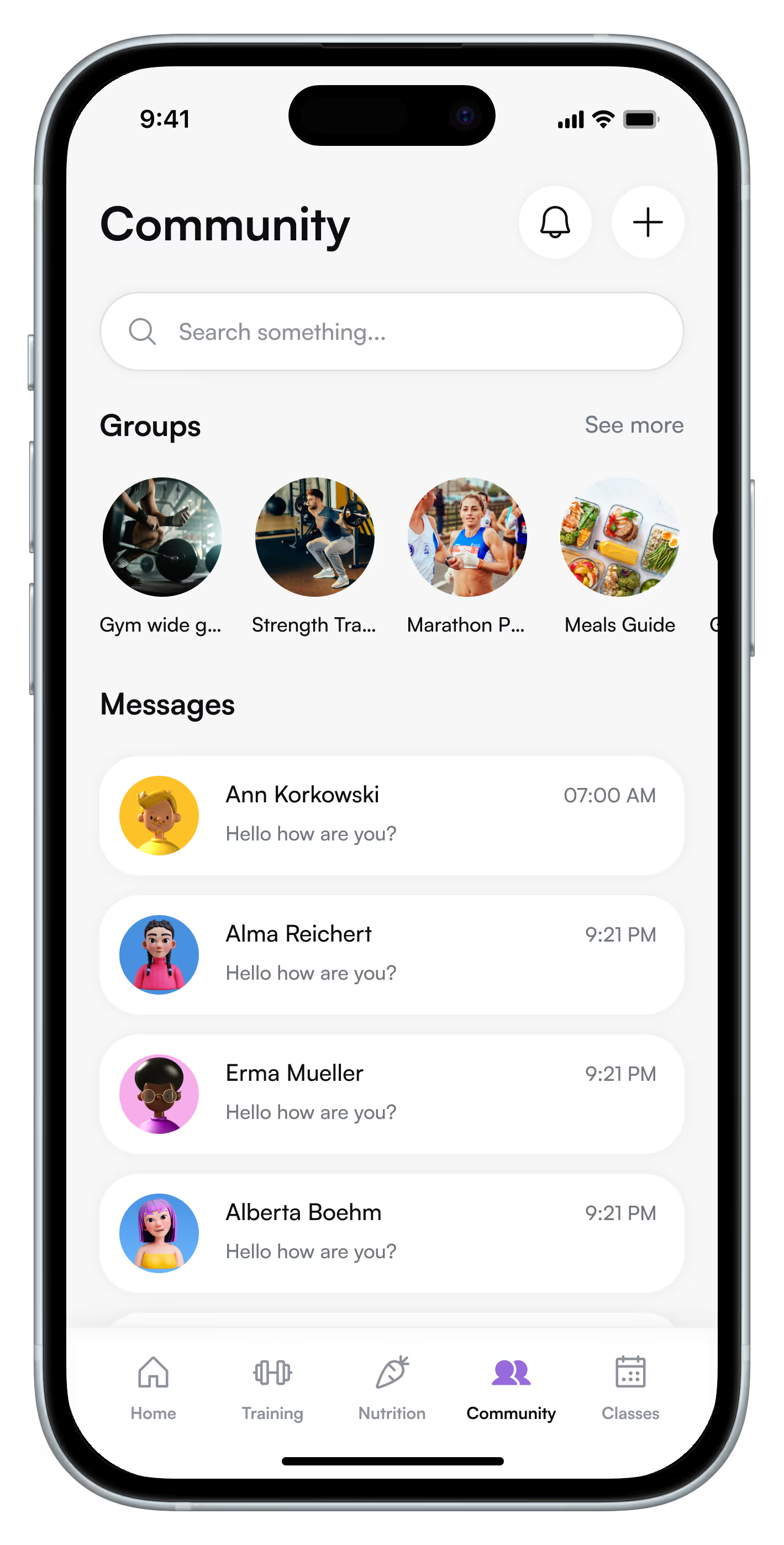
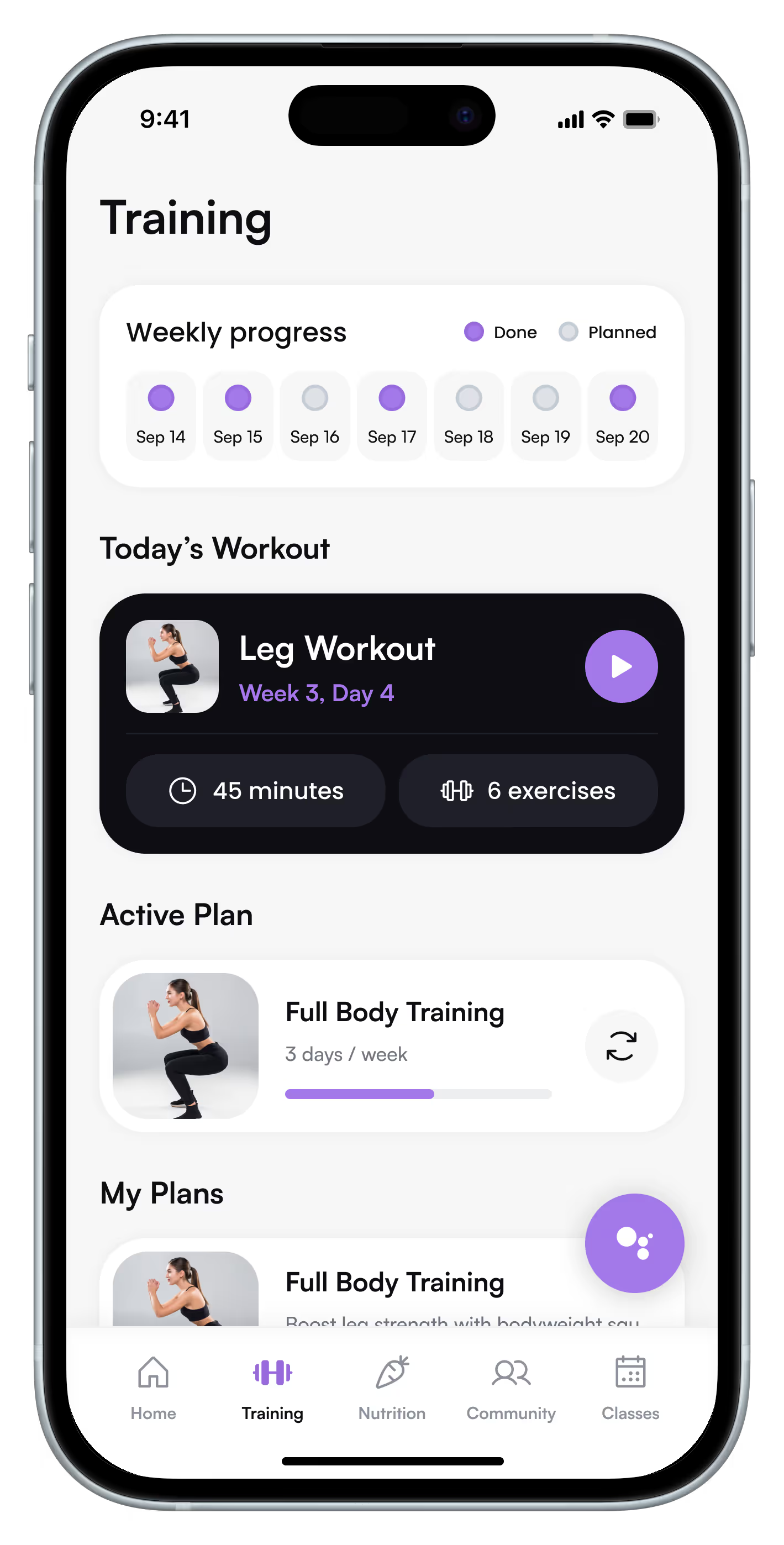
Marcus joined in September. By December, he'd done 38 sessions and added 22kg to his squat. He knew both numbers because his app showed them every time he logged in. When a colleague mentioned wanting to get back into lifting, Marcus pulled up his stats and showed him. His colleague signed up the following week. Not because there was a free month on offer, but because Marcus had receipts.
Now think about what that conversation looks like for a member who doesn't have those numbers. They liked the gym. Classes were good. When a friend asks, they say: "Yeah, it's pretty decent, check it out." That's not a referral. That's a passing mention. The difference between those two outcomes isn't the reward you offered Marcus. It's that Marcus could show what the gym did for him.

.avif)
Researchers Andrea Wojnicki and David Godes found that people share experiences not just to inform, but to impress. We recommend things that reflect well on us – that signal our judgment, our taste, our choices. When a gym member refers a friend, they're not just helping them find somewhere to train. They're saying: "I made a smart decision, and here's the proof." That proof has to be tangible. "I've been going three times a week" doesn't impress anyone. "I've done 40 sessions and added 15kg to my bench" does.
This is why visible progress data isn't just a retention feature, it's the engine of your gym referral program. A member who can show results has something worth sharing. A member who only feels vaguely better has nothing. Every gym owner wants ambassadors. Ambassadors require a story. The story requires evidence. And the evidence has to live somewhere your members can actually see it.
Referrals aren't a marketing problem. They're a product problem. When your members can see their own results – sessions logged, weights progressed, milestones hit – the referral conversation writes itself. The incentive is just the nudge that makes it happen sooner.
This week, pull the list of members who've been with you three months or longer. Find five who've been consistent at least eight sessions in the last 30 days. Message each one personally: "You've been putting in serious work, [X sessions this month], and it shows. Do you know anyone who'd want the same results?" Five messages. Five members who have something to brag about. That's where your next five members come from.
We’re on a mission to transform the fitness industry, one gym at a time.





.avif)
.avif)