.avif)
.avif)
RETENTION
Gym Referral Program: Why Discounts Don't Drive Word of Mouth
6 min read

Your members live on their phones. If your gym isn't there in a meaningful way, you're invisible between visits.
.avif)

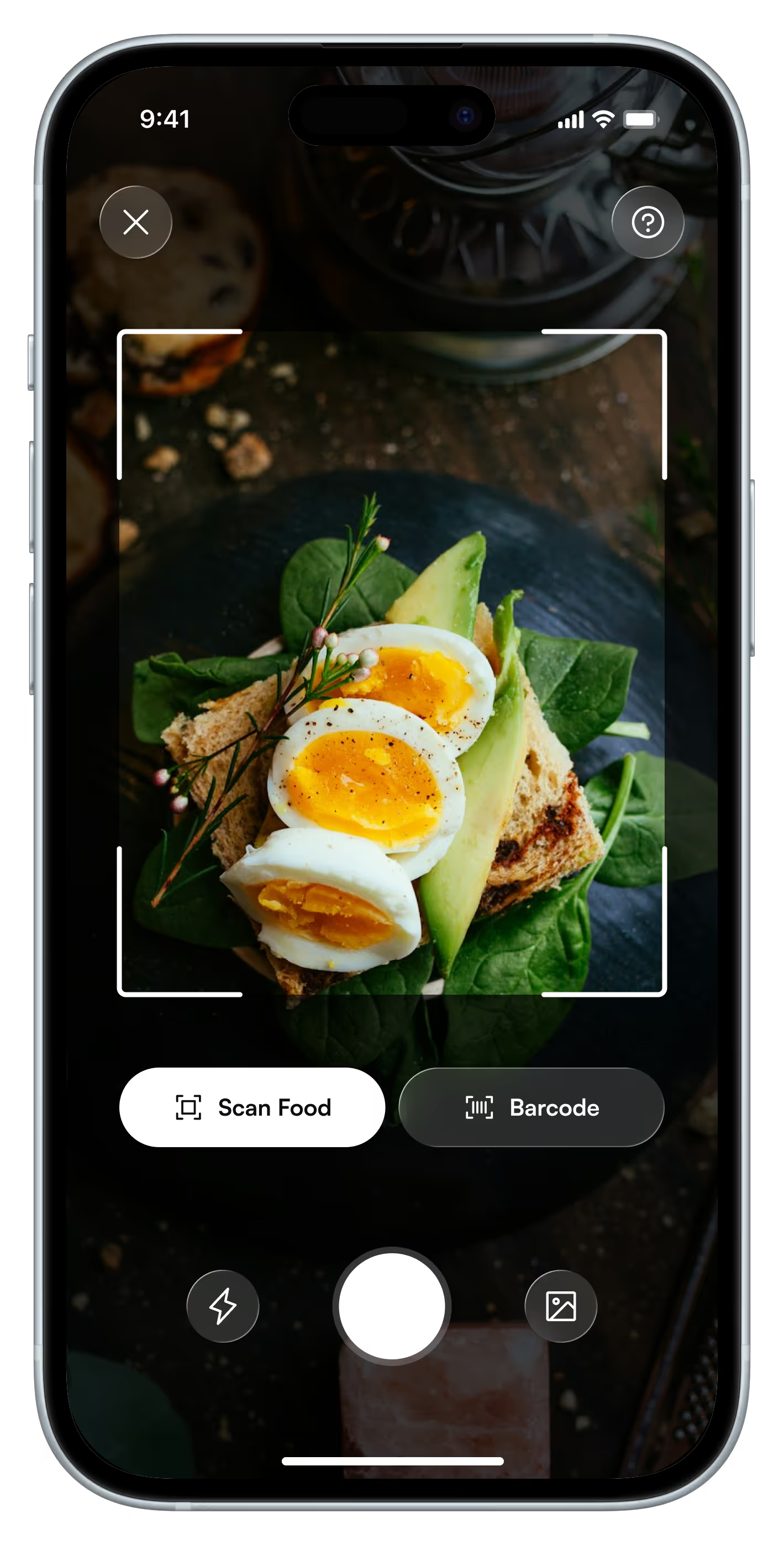
Here's what most gym owners don't realize: 60% of your members are already using a fitness app alongside their membership. They're tracking workouts on Strong. Logging meals on MyFitnessPal. Following programs on Nike Training Club. They've built a digital fitness routine, and your gym isn't part of it. You're the place they walk into three times a week. The app they open every day belongs to someone else.
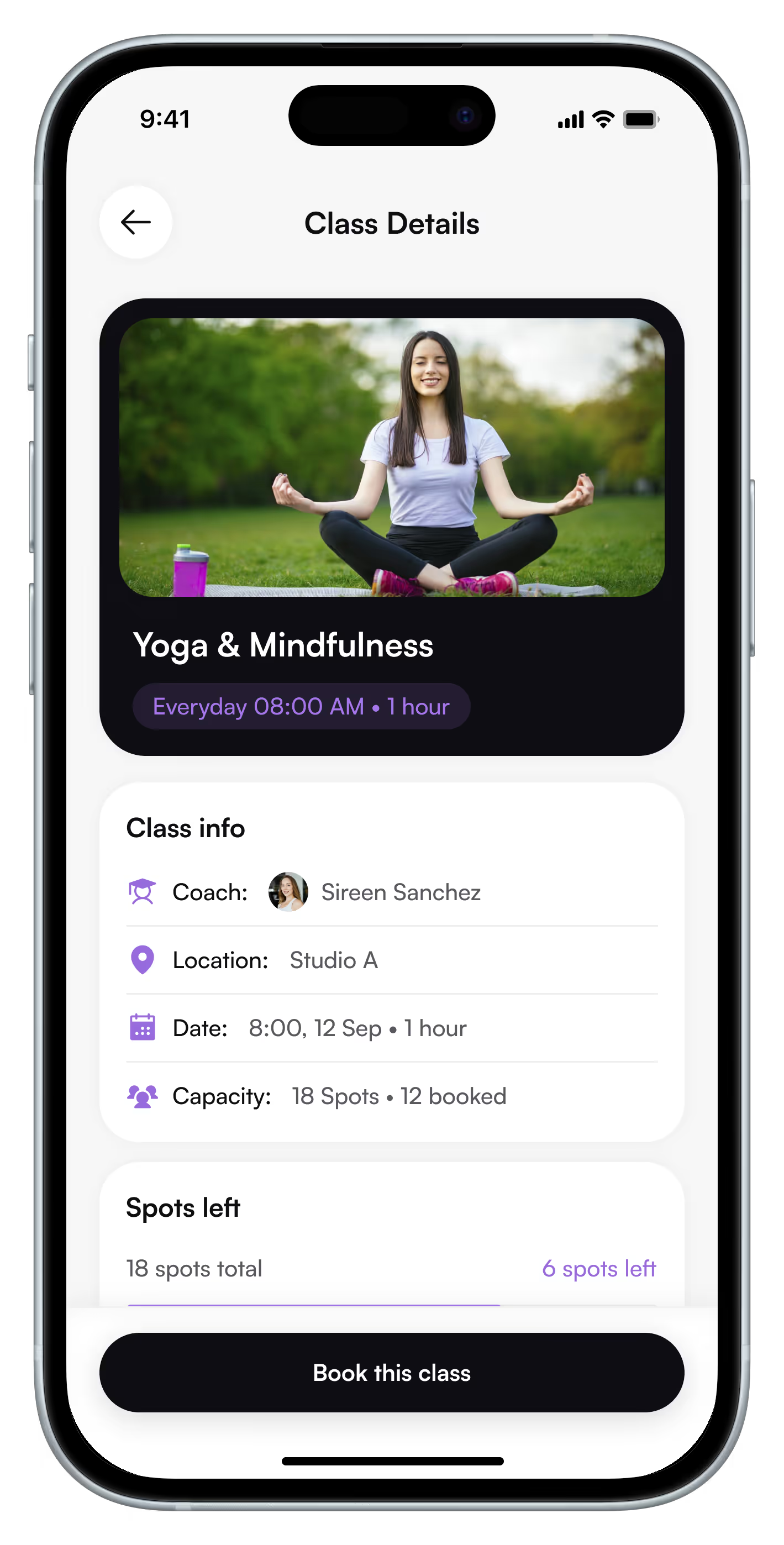
The fitness app market is a $22 billion industry growing at 14% a year, and the vast majority of that value is being captured by brands that have nothing to do with your gym. Meanwhile, the app you offer – if you offer one at all – lets members book a class and check in at the door. That's not a retention tool. That's a convenience feature. And no one ever stayed at a gym because check-in was easy.
When you ask gym owners why members cancel, you get facility answers. The equipment's getting old. There's a cheaper gym down the road. The classes aren't varied enough. But the data tells a different story. The primary reason members cancel isn't dissatisfaction... it's a loss of momentum. 35% cite lack of motivation. 30% go once a week or less before disappearing entirely. They don't leave angry. They drift. And drifting happens in the hours and days your gym has zero presence in their life.
The gap between gym visits is where retention is won or lost. A member works out on Monday. By Wednesday, the motivation that brought them in has faded. By Friday, something else has filled the space. If nothing from your gym reaches them in that window – no progress update, no nudge, no reminder of what they're building – you've given them silence. And silence, over time, sounds a lot like permission to quit. The solution isn't more emails or a flashy Instagram page. It's a system that lives where your members already are: their phone, every day.

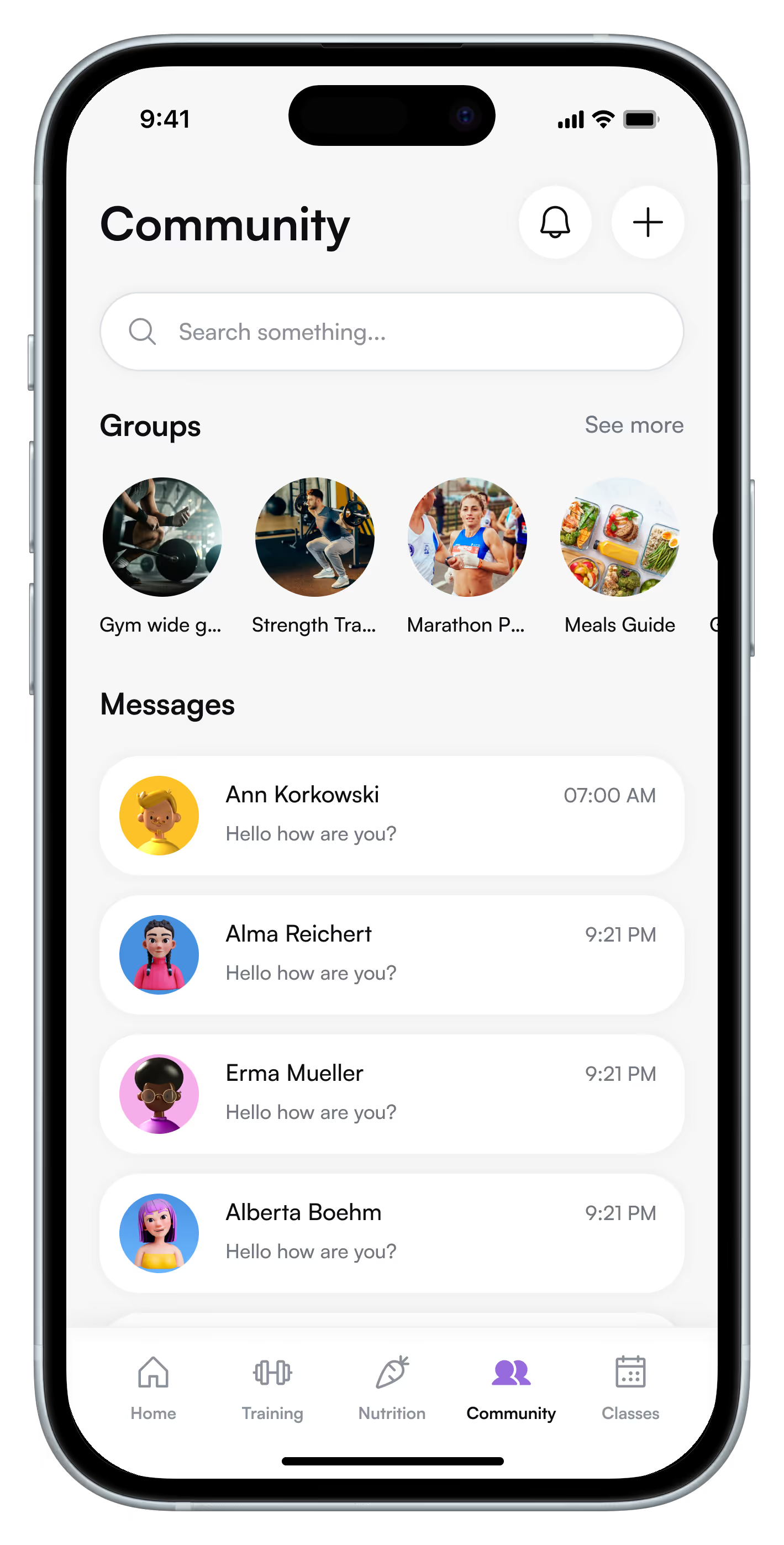
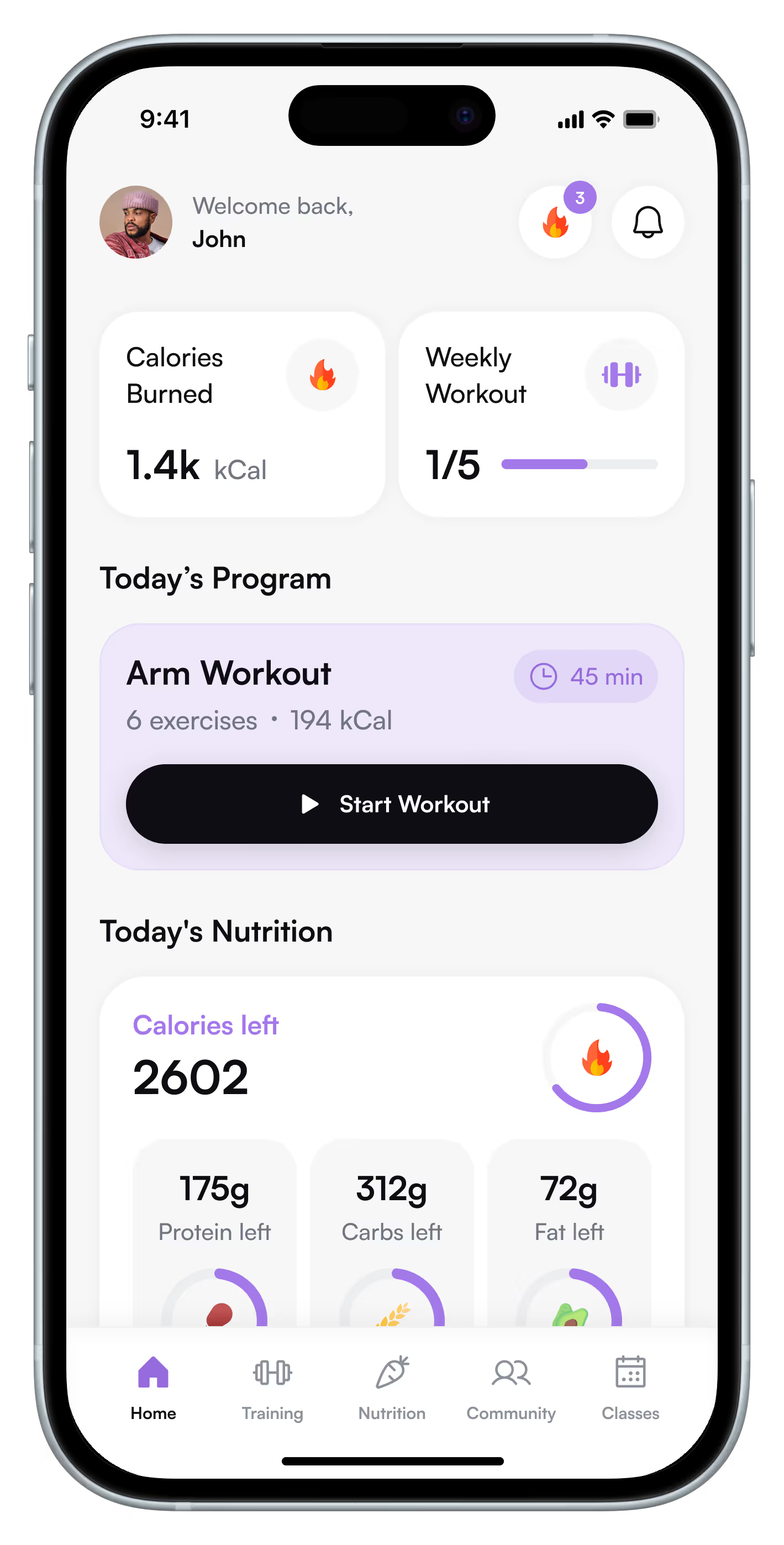
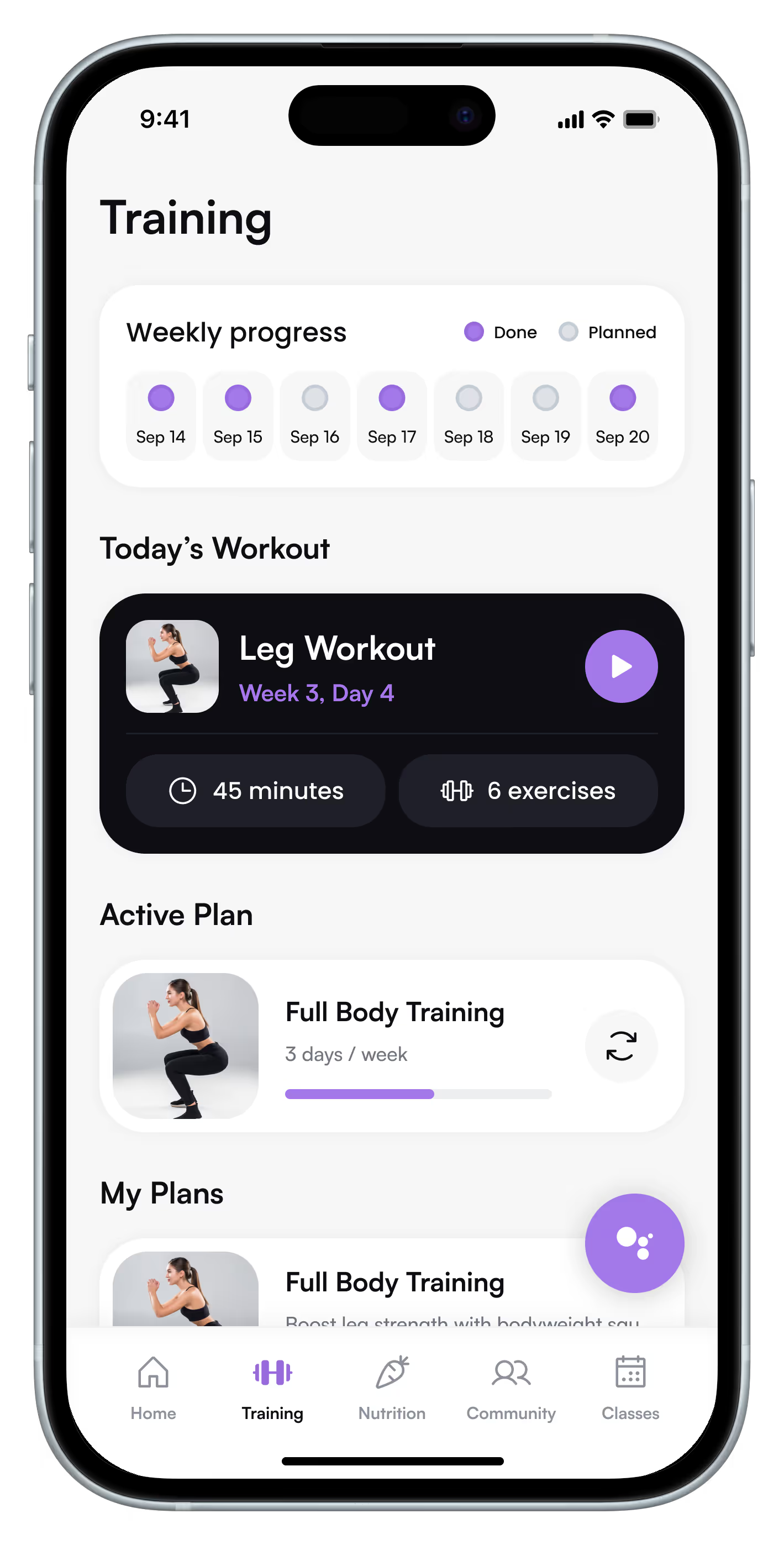
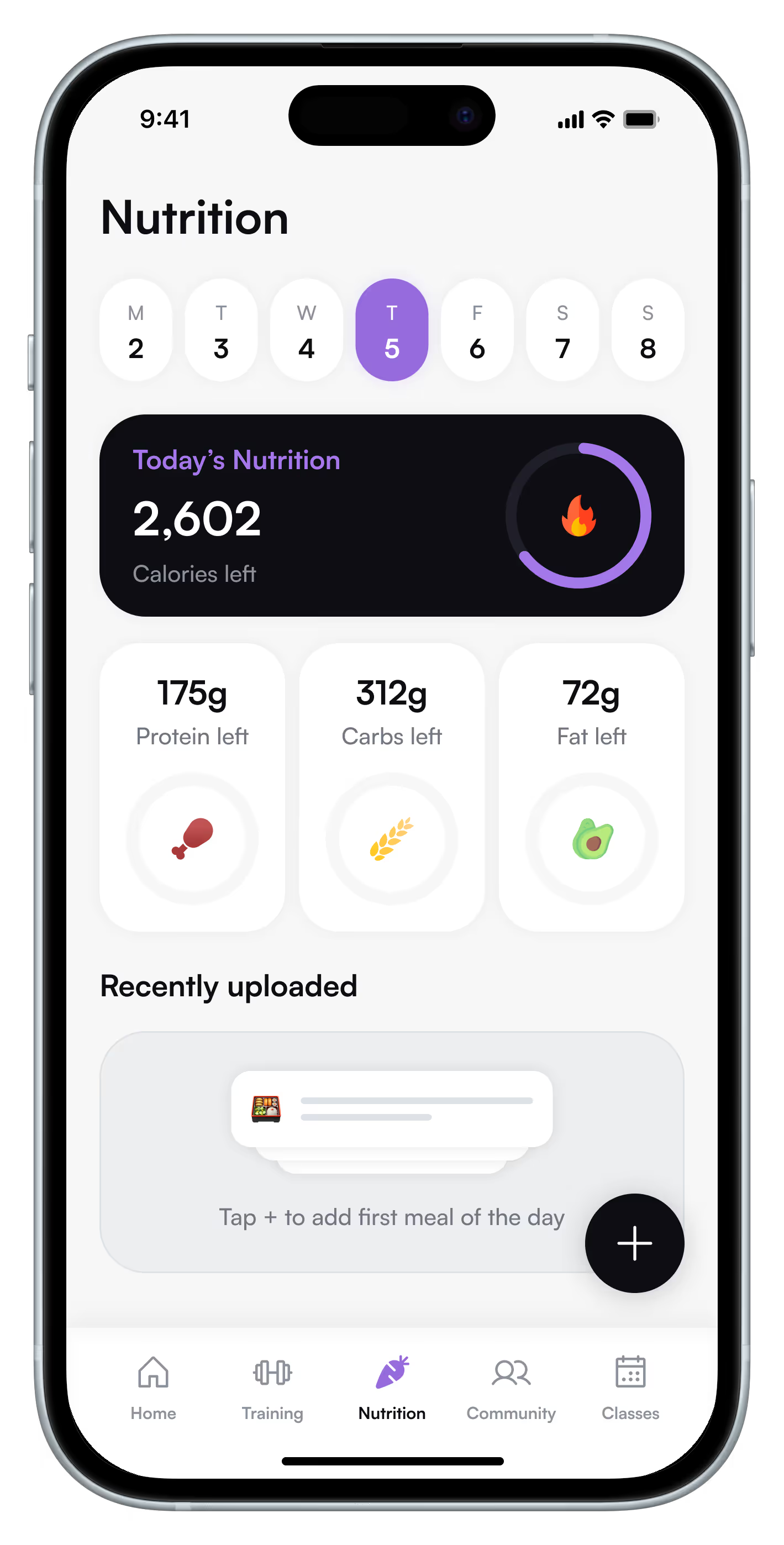
After looking at what separates gyms with retention rates above 80% from the rest, one pattern shows up every time. They don't just have an app. They have an app that does three specific things and none of them is "let members book a class." The gyms winning at retention have built what we call the Track-Trigger-Connect framework. Each piece addresses one of the three reasons members drift: invisible progress, broken habits, and no sense of belonging.
.png)
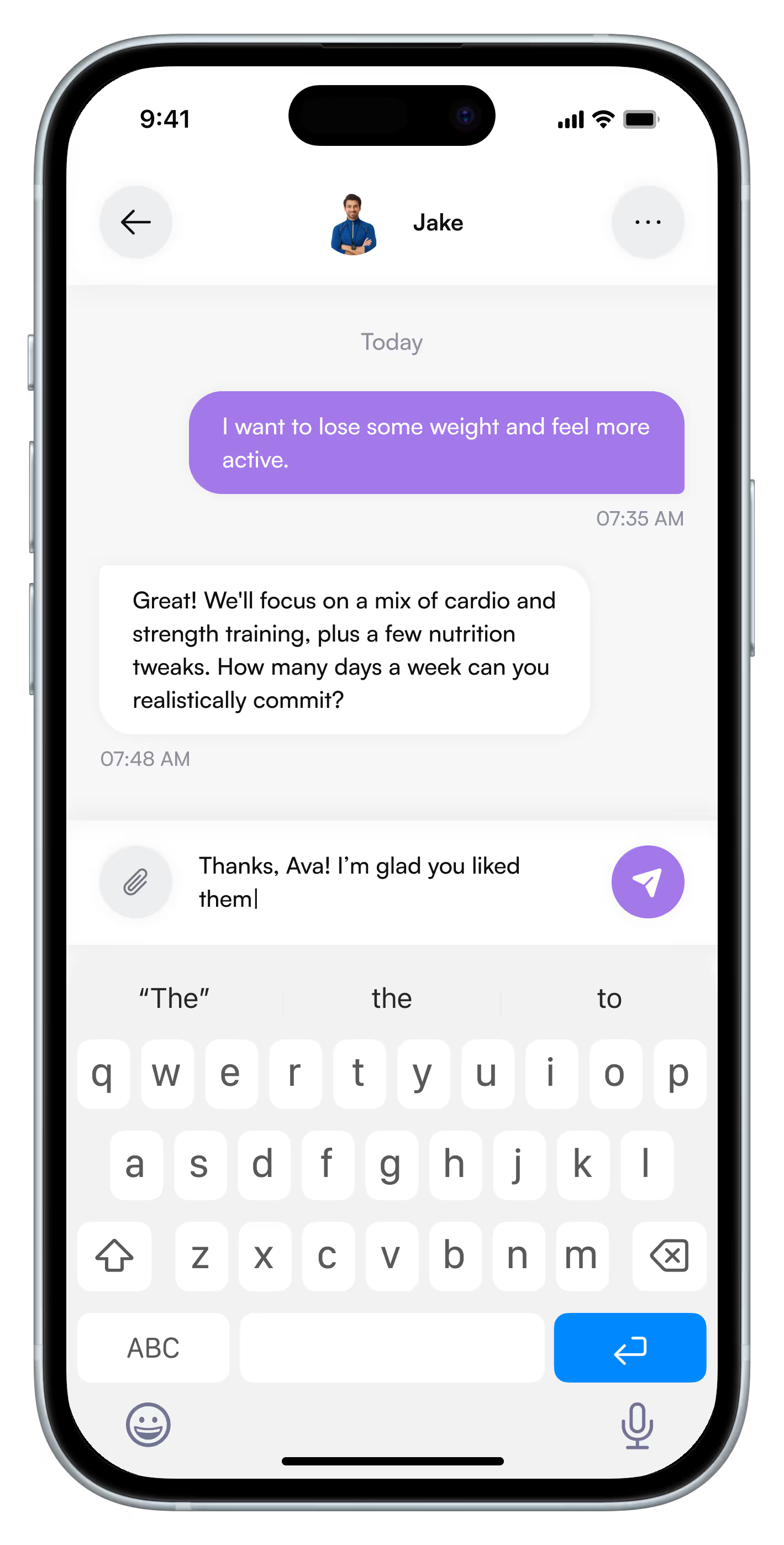
Picture two independent gyms in the same city. Both opened around the same time, charge similar rates, have solid equipment and good coaches. Both invested in a member app last year. "Gym A" chose a platform that handles class booking, check-in, and payment processing. Clean interface, works fine. "Gym B" chose a platform built around the member experience – progress tracking, automated check-ins for inactive members, workout logging, and a community feed.
Twelve months in, "Gym A's" app gets opened an average of 1.2 times per week – almost exclusively on the day a member visits. "Gym B's" app gets opened 4.3 times per week. Members log workouts, check their streaks, scroll the community feed, and receive a message from a coach when they haven't shown up in seven days. Same investment. Same city. Completely different relationship with their members.

.png)
There's a concept in product design that most gym owners have never heard of, but it explains why some apps become indispensable and others get deleted. It's called "daily active engagement," and it's the reason Duolingo has a higher retention rate than almost any app on your phone. Duolingo doesn't teach you a language in any single session. It builds a streak. It gives you a reason to open the app today, even if you only spend two minutes there. Over time, the app stops being something you use and becomes something you'd feel wrong about ignoring.
Starbucks does the same thing with its rewards. So does Peloton with its activity rings. The mechanic is identical: create a reason to show up that isn't the core product. The streak, the points, the progress bar – those aren't features. They're attachment devices.
Your gym app should work the same way. Not because gamification is trendy, but because the psychology is proven: apps with daily engagement triggers see retention rates of 25–30% at 30 days, compared to 8–12% for apps that just deliver content.
When a member opens your app to log a workout, check their streak, or see what their gym friend posted – that's not idle screen time. That's your gym existing in their consciousness on a day they didn't walk through the door. And the gym that exists in someone's mind every day is the gym they don't cancel. Presence equals permanence – in relationships, in brands, and especially in memberships.
Your gym doesn't have a marketing problem or a pricing problem or a facility problem. It has a presence problem. If your members only think about your gym on the days they visit, you're leaving retention to chance – and chance has a 50% churn rate in the first six months.
Here's what to do this week. Open your gym's app – or if you don't have one, open your member communication system – and count how many reasons a member has to engage with it on a day they don't come to the gym. If the answer is zero, you've found the gap.
Start small: add one progress metric members can check, one weekly nudge for anyone who hasn't visited in five days, and one community prompt that makes members feel like they're part of something. Three things. That's the minimum viable version of an app that retains instead of just administrates.
We’re on a mission to transform the fitness industry, one gym at a time.





.png)
.avif)