



How to Keep New Year Gym Members Past February
A New Year member is lost the first week they miss. Here is what to say before that week, during it and after it.

Recovery equipment can be a good buy for your gym. But the reason the sales rep gives you is the wrong one.

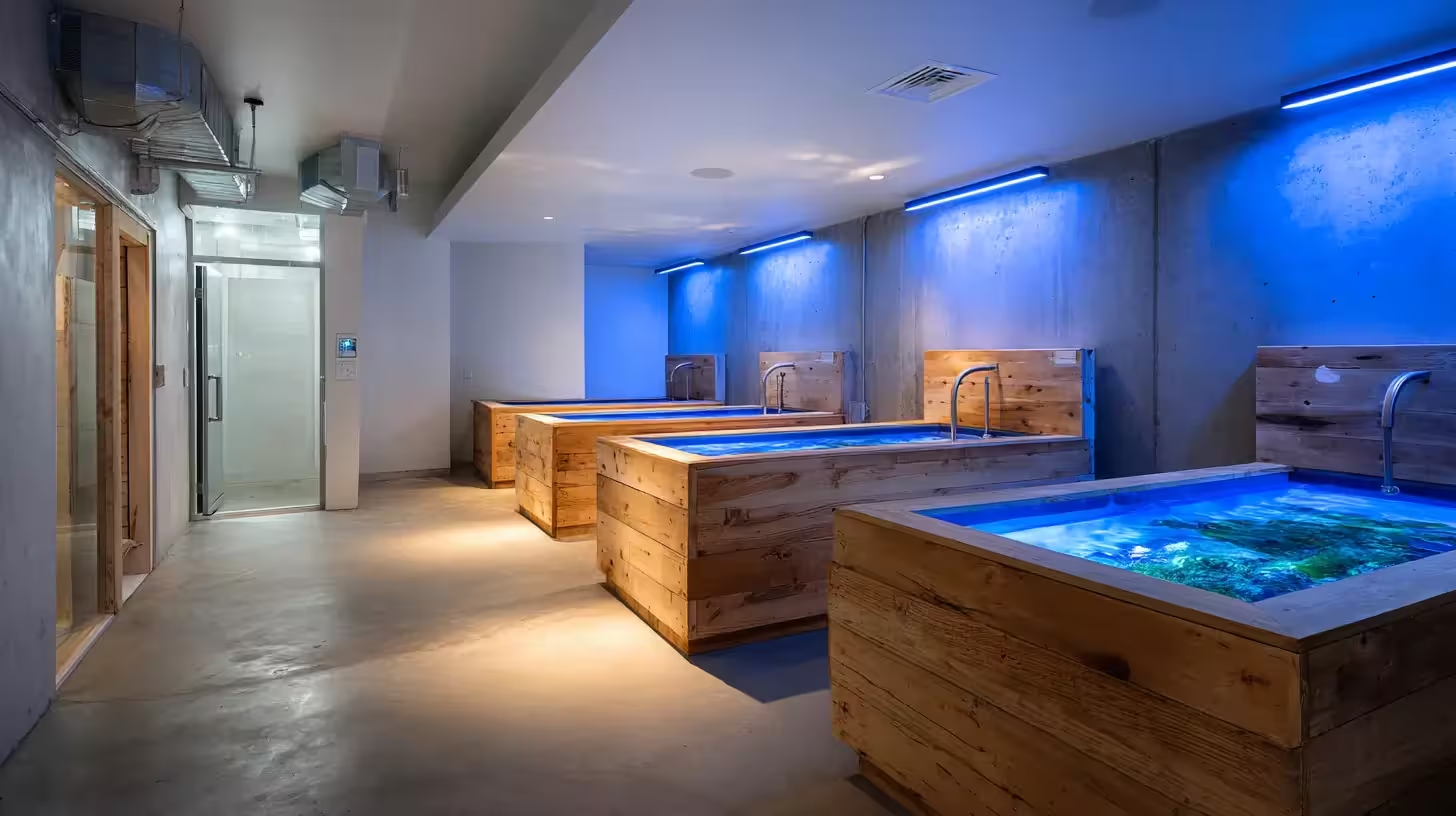
The advice today is to add recovery to your gym: a cold plunge, an infrared sauna, red light, compression boots. The case for it is decent. Members ask about it, it lets you sell a premium tier, and suppliers quote a payback of 8 to 20 months on a commercial cold plunge.
Then comes the sentence that closes the sale: members who use recovery cancel less than members who do not.
That sentence is true. It is also misleading, and the reason has nothing to do with cold water. This article explains the mistake inside it. Then it gives you a fair way to choose between a recovery room and more coaching hours.
A typical commercial unit before installation, in My Fitness Outlet's 2026 prices.
Plunge, infrared sauna and electrical work, at the middle of the quoted ranges.
A coach for 20 hours a week at $25 an hour, a cost that comes back every year.
In 1980, a large heart study called the Coronary Drug Project published its 5-year results in the New England Journal of Medicine. Nearly 2,800 men in the study were given a placebo, which is a pill with nothing in it. The researchers split these men into 2 groups. The men who took at least 80% of their empty pills had a death rate of 15.1% over 5 years. The men who took fewer had a death rate of 28.3%.
The pill could not have done anything. What the researchers had measured was the difference between 2 kinds of people.
Having a sauna doesn't mean you value recovery, it means you have a sauna
Later, researchers Eleanor Murray and Miguel Hernán studied the same data again with modern methods. Once they accounted for the differences between the men, the gap shrank to 2.5 points. So the pill was never the cause. Men who take their medicine every day are different from men who do not.
Now read the recovery pitch again. Members who use the plunge cancel less than members who do not. It is the same trap. The members who use the plunge are the members who were going to stay anyway.
None of this means you should not buy it. It means you should not buy it because of the cancellation story. These 3 numbers decide it, and you can work them out tonight with your member list and the quote in your inbox. The third one is a test, in the same spirit as the retention fix that costs nothing.
Work out the take-rate you need before the demo, not after the rep has quoted you a payback.
The recovery room has a real case. You pay for it once, while a coach is a cost every year. It looks good in photos, which matters when someone compares 3 gyms on their phone. And it supports a higher price tier, so each member can pay more.
Coaching hours win on the very thing recovery is sold for, which is keeping members. A coach reaches every member, not only the few who would use a plunge. A coach needs no floor space and no electrician. And you can stop after 8 weeks if nothing changes. So the real question is why you are buying.
Ask the supplier these 4 questions on your next call, in this order.
First, ask about the proof:
"Which gyms in your data saw cancellations fall, and what were they doing differently before they bought?"
Then ask how it was measured:
"Did you compare members with each other, or the same gym before and after?"
Then ask about the payback:
"What take-rate does your payback assume, and where does that number come from?"
Last, ask the question nobody asks:
"Can I speak to a customer whose plunge did worse than expected?"
Then run your own test. Take every member who came 8 times or more last month, and split the list by first name, A to L and M to Z. For 8 weeks, one half gets a 30-second chat with a coach at every visit. The other half gets nothing extra. Then compare the visits of the 2 groups. With fewer than about 150 members, skip the test, because the groups are too small. Ask 10 members who left why they stopped.
Ask the supplier for a customer whose recovery room did worse than expected, and listen to the answer.
If you lose tours to the gym down the road, and every gym in town looks the same, buy the recovery room. Put it in a priced tier and sell it as a reason to join. Keep cancellations out of your forecast.
If people join and then quietly stop coming after a few weeks, buy coaching hours instead.
If you cannot say which of the 2 is happening, buy neither this month. Take last year's cancellations and count how many of those members had stopped coming before they cancelled. It costs nothing, and it answers the question.
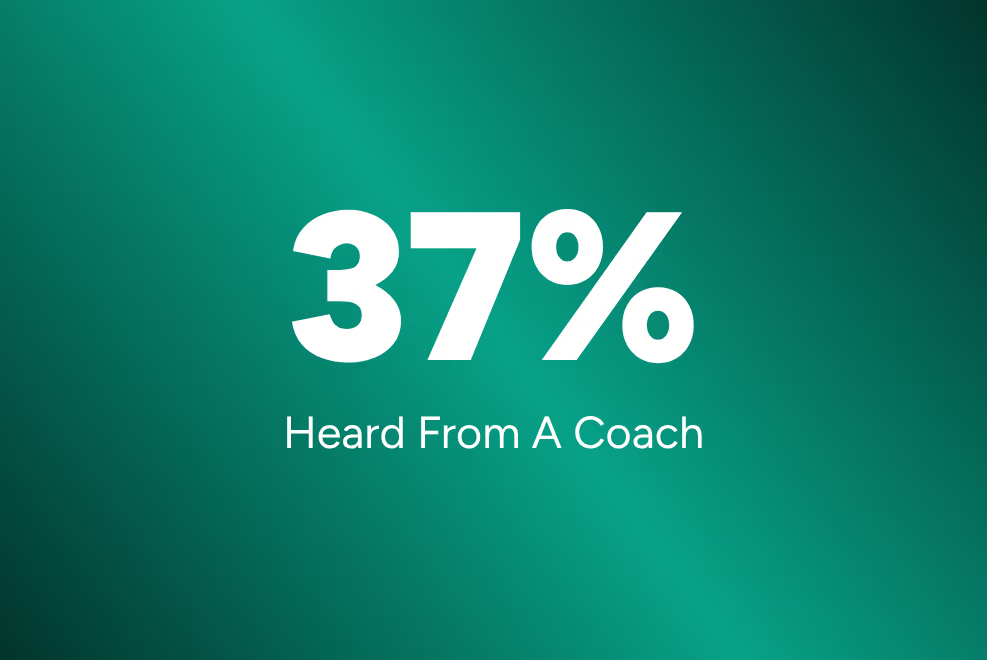
Share of members who say they have ever used gym recovery gear, per Sean Pastuch.
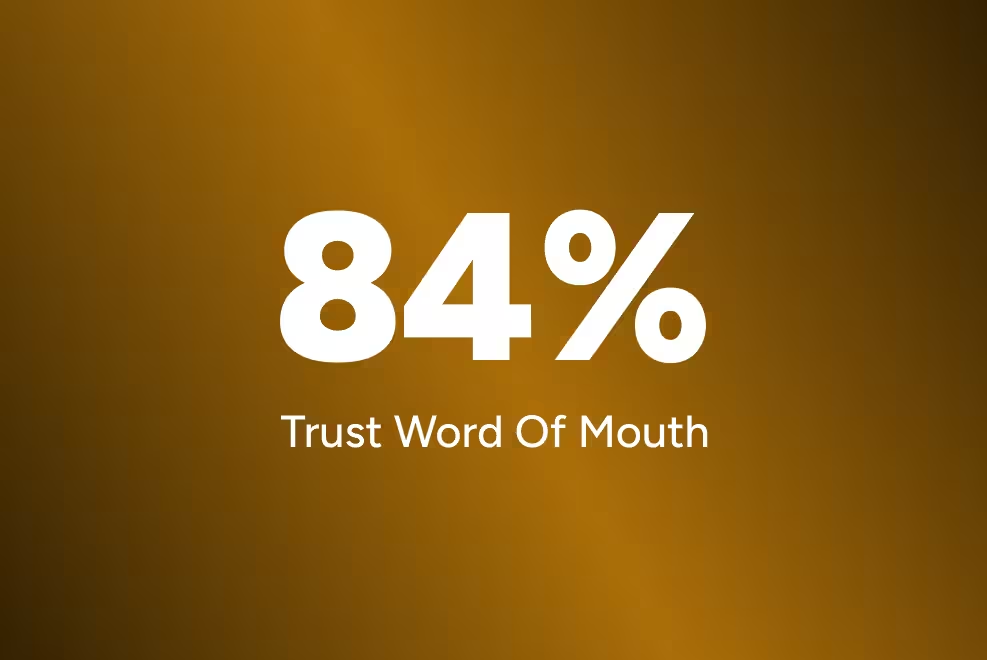
The range suppliers quote for a commercial cold plunge to pay for itself.
Before you sign, decide which of your 2 problems this purchase solves. It is rarely the one in the sales pitch.
We’re on a mission to transform the fitness industry, one gym at a time.